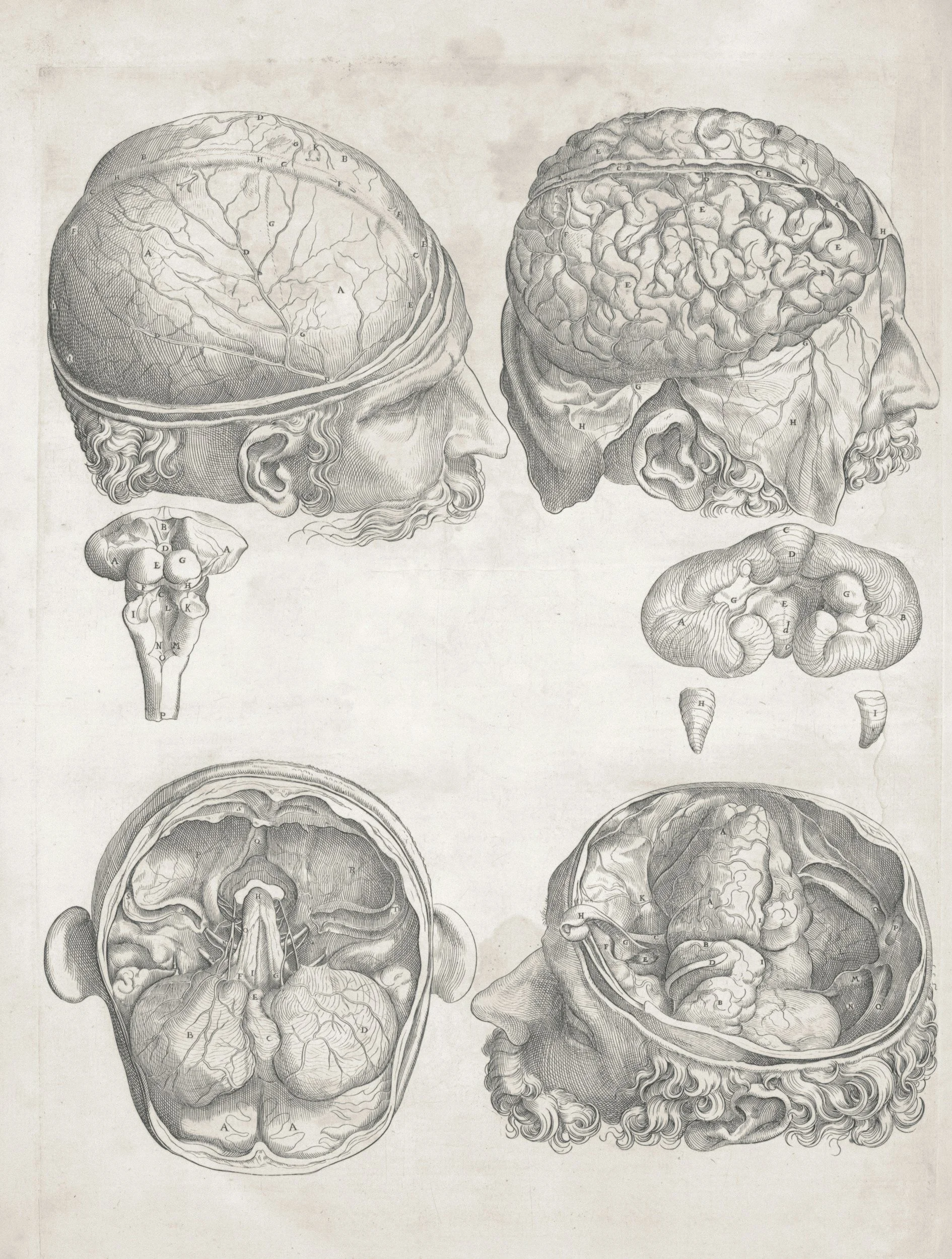
Neuroscience
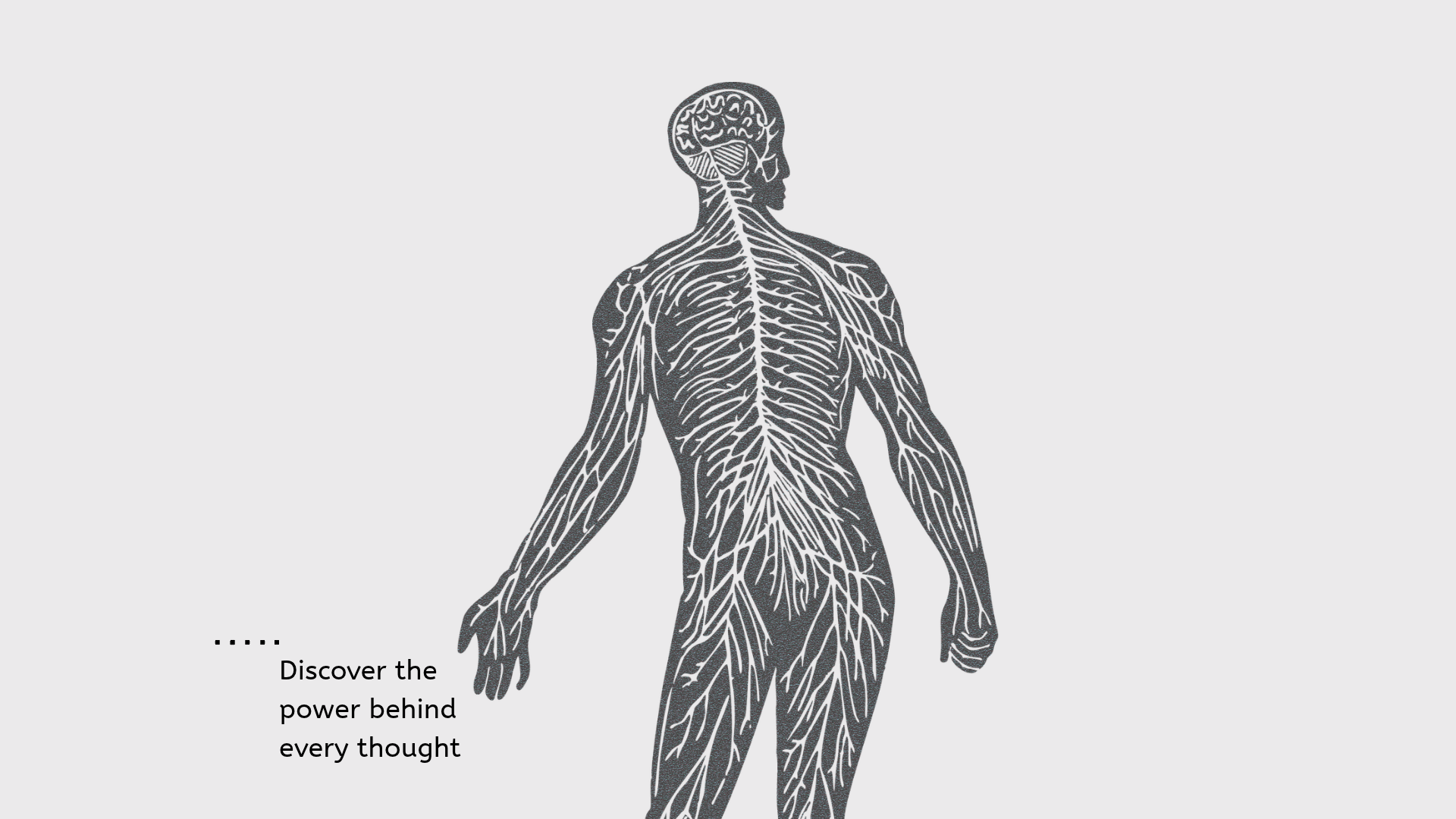
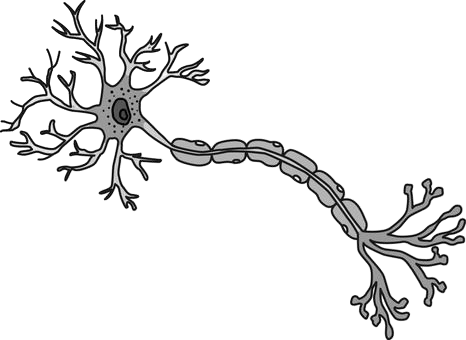
Why neuroscience is important.
We have mapped the surface of mars, explored outside our atmosphere and into the depths of the ocean, yet the human brain still remains the most complex and mysterious frontier in the known universe. It is the very core of our health, our identity, and our future.
When you read and share articles and research about neuroscience, you become part of the solution. It actively helps solve rare diseases, elevates the voices of patients, changing mental health care, and reshaping medicine. By exploring more of neuroscience, you unlock the secrets to how we learn, our emotions, thoughts, and what makes us human.
How it works
🧠Learn & Discover
Clear access, bite-sized facts about the humans brain mechanics and dedication for the rare neurological diseases.
To learn more about some fun and short facts, click here!
📄 Read & Review
Dive into original, peer-reviewed research articles written by a high schooler alongside foundational literature from career neuroscientists.
To read interesting research articles, simply click here!
🩺 Support & Fund
Make an impact. 100% of proceeds collected go directly to professional university labs and spinal surgery research accounts
To make a impact to our surgeons and researchers, click here!
Neuro-Disease of the Month
Brain Aneurysms
A brain aneurysm is a bulging weak spot on an artery wall in the brain that could possibly leak or rupture, causing a life-threatening life or death bleed.
With an unruptured aneurysms, they often cause no symptoms, but large ones can press against the nerves and pain behind the eye causing vision changes, drooping eyelids, and facial weakness. Alongside with a ruptured aneurysms, they start with a sudden and severe headache alongside with nausea, stiff neck, or/and loss of consciousness: requiring an immediate call to 911.
These are caused by thinning or stretching of the artery wall, usually at vessel forks or branches. The common major risk factors include high pressure, cigarette smoking, heavy alcohol abuse, hard drug usage, and a history of family aneurysms. These aneurysms are more common in adults ages 30 to 60, even more frequently in woman than men.
Doctors can find these aneurysms by using brain imaging testing such as MRIs, CT scans, and angiograms.